
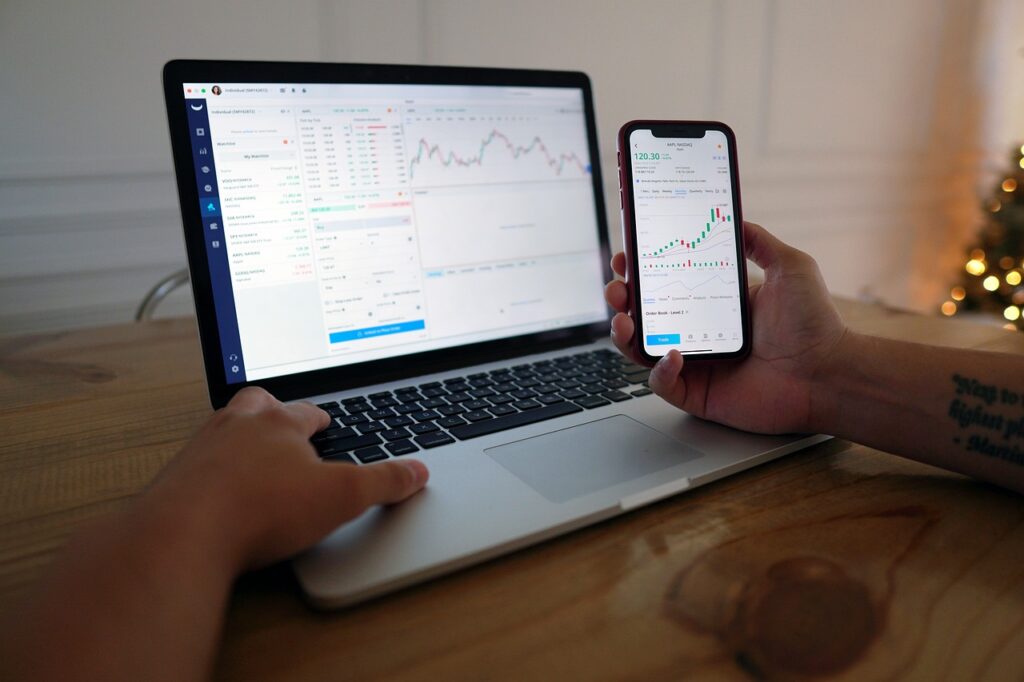
Introduction to Forex Market Analysis
The foreign exchange market, commonly known as Forex or FX, is a global decentralized market for trading currencies. It is the largest and most liquid market in the world, with an average daily trading volume exceeding $6 trillion. Understanding Forex market analysis is crucial for traders aiming to make informed decisions and optimize their trading strategies.
Types of Forex Market Analysis
Forex market analysis is broadly categorized into three main types: Fundamental Analysis, Technical Analysis, and Sentiment Analysis. Each plays a crucial role in helping traders understand market dynamics and predict price movements.
Fundamental Analysis
Fundamental analysis involves evaluating the economic, social, and political factors that influence currency values. This type of analysis is based on the premise that macroeconomic indicators such as interest rates, employment rates, GDP, and political stability affect currency prices.
Key elements of fundamental analysis include:
- Economic Indicators: Traders pay close attention to economic reports such as unemployment rates, inflation data, and GDP growth figures to gauge a country’s economic health.
- Central Bank Policies: Central banks, through their monetary policies, influence currency supply and demand. Interest rate decisions, quantitative easing, and other monetary policy tools are critical factors.
- Geopolitical Events: Political stability and international relations can significantly impact currency values. Events such as elections, trade agreements, and conflicts are closely monitored.
Technical Analysis
Technical analysis focuses on historical price data and chart patterns to forecast future price movements. Traders using this method rely on charts and various technical indicators to identify trends and potential market entry and exit points.
Key elements of technical analysis include:
- Price Charts: Line, bar, and candlestick charts are commonly used to visualize price movements over time.
- Trends and Patterns: Identifying trends (bullish, bearish, or sideways) and patterns (such as head and shoulders, double tops/bottoms) is essential for predicting future price directions.
- Technical Indicators: Tools such as moving averages, RSI (Relative Strength Index), MACD (Moving Average Convergence Divergence), and Bollinger Bands help traders assess market conditions.
Sentiment Analysis
Sentiment analysis gauges the overall mood of investors and traders in the market. It involves understanding whether market participants are bullish or bearish on a currency pair, which can provide insights into potential price movements.
Key elements of sentiment analysis include:
- Commitment of Traders (COT) Report: This report provides insights into the positions of futures market traders, indicating market sentiment.
- News and Social Media: Monitoring news outlets and social media platforms can help gauge market sentiment and identify potential market-moving events.
- Market Sentiment Indicators: Tools like the Fear and Greed Index or currency-specific sentiment indexes offer quantitative measures of market sentiment.
The Role of Risk Management in Forex Trading
Effective risk management is a cornerstone of successful Forex trading. It involves identifying, assessing, and prioritizing risks to minimize potential losses. Here are some key risk management strategies:
- Position Sizing: Determining the appropriate size of a trading position based on account size and risk tolerance is crucial.
- Stop-Loss Orders: These orders automatically close a position at a predetermined price level to limit losses.
- Diversification: Spreading investments across different currency pairs can mitigate risk.
- Risk-Reward Ratio: Establishing a favorable risk-reward ratio ensures that potential profits justify the risks taken.
Developing a Forex Trading Strategy
A well-defined trading strategy is essential for consistent success in the Forex market. Here are steps to develop an effective trading strategy:
Define Your Trading Goals and Style
Identifying your trading goals and preferred style (day trading, swing trading, or long-term investing) sets the foundation for your strategy. Consider your risk tolerance, time commitment, and market knowledge.
Choose the Right Market Conditions
Evaluate market conditions to determine the best time to trade. Consider factors such as volatility, liquidity, and market trends. Some strategies work better in trending markets, while others are suitable for ranging markets.
Incorporate Technical and Fundamental Analysis
Utilize a combination of technical and fundamental analysis to enhance your strategy. Technical analysis helps pinpoint entry and exit points, while fundamental analysis provides context for market movements.
Backtest and Optimize Your Strategy
Backtesting involves testing your strategy on historical data to evaluate its performance. Optimization ensures that your strategy is refined for current market conditions. Both processes are crucial for improving strategy effectiveness.
Implement and Monitor Your Strategy
Once your strategy is developed and tested, implement it in live trading. Continuously monitor its performance and make necessary adjustments based on changing market conditions.
Conclusion
Forex market analysis is a multifaceted discipline that requires a deep understanding of economic indicators, chart patterns, and market sentiment. By integrating fundamental, technical, and sentiment analysis, traders can make informed decisions and enhance their trading strategies. Effective risk management and a well-defined trading plan are crucial components for achieving long-term success in the Forex market. Aspiring traders should dedicate time to learning and refining their analytical skills to navigate this complex and dynamic market effectively.
#ChatGPT assisted in the creation of this article.


