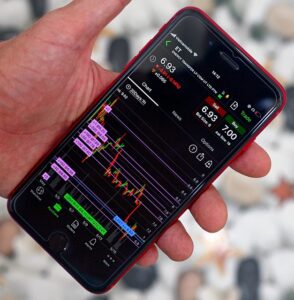
Breakout trading is a popular strategy in the Forex market that involves entering a trade when the price moves outside a defined support or resistance level. This method can be highly effective, capturing significant price movements and providing traders with the potential for substantial profits. However, mastering breakout trading requires a deep understanding of market dynamics, precise execution, and the ability to manage risk effectively.
In this comprehensive guide, we will delve into the intricacies of breakout trading tactics, providing you with the knowledge and tools needed to enhance your Forex trading success.
Understanding Breakout Trading
Breakout trading is based on the idea that when the price of a currency pair breaks through a significant support or resistance level, it is likely to continue moving in the direction of the breakout. This is because breakouts can indicate a shift in market sentiment, often driven by increased trading volume and momentum.
There are two primary types of breakouts:
– **Continuation Breakouts:** Occur in the direction of the prevailing trend.
– **Reversal Breakouts:** Occur against the prevailing trend, signaling a potential change in trend direction.
Recognizing the type of breakout and its underlying factors is crucial for successful trading.
The Psychology Behind Breakouts
Breakouts are often fueled by psychological factors. Traders who missed the initial trend may jump in during a breakout, adding to the momentum. Additionally, stop-loss orders placed by traders on the opposite side of the breakout can trigger further price movement.
Understanding these psychological dynamics can provide you with an edge in anticipating and capitalizing on breakout opportunities.
Identifying Key Levels for Breakout Trading
Identifying the right levels to trade breakouts is critical. These levels act as barriers that, once breached, can lead to significant price movements. Here’s how to identify them:
Support and Resistance Levels
Support and resistance levels are fundamental to breakout trading. Support refers to a price level where buying interest is strong enough to prevent the price from falling further, while resistance is a level where selling pressure can halt an upward trend.
These levels can be identified using:
– Historical price data.
– Psychological levels, such as round numbers.
– Technical indicators like pivot points.
Trendlines and Channels
Trendlines and channels are valuable tools for identifying breakout opportunities. A trendline connects a series of price points on a chart, typically indicating the direction of the current trend. Channels are formed by drawing a parallel line to a trendline, creating a range within which the price moves.
Breakouts from these trendlines or channels can signal the start of a new trend or a continuation of the existing one.
Strategies for Successful Breakout Trading
To master breakout trading, you need a solid strategy that encompasses entry and exit points, risk management, and the ability to adapt to changing market conditions.
Breakout Entry Strategies
– **Confirmation Breakout:** Wait for the breakout to be confirmed by a close beyond the key level. This reduces the risk of false breakouts but may result in entering the trade at a less favorable price.
– **Anticipatory Breakout:** Enter the trade before the breakout occurs, based on signals like increased volume or volatility. This approach can offer better entry prices but carries a higher risk of false breakouts.
Breakout Exit Strategies
– **Target-Based Exits:** Set a predetermined profit target based on technical levels, such as measured moves or Fibonacci extensions.
– **Trailing Stops:** Use a trailing stop to lock in profits as the trade moves in your favor, allowing you to benefit from extended trends.
Managing Risk in Breakout Trading
Effective risk management is crucial in breakout trading. Here are some key considerations:
– **Position Sizing:** Determine the appropriate position size based on your risk tolerance and the distance to your stop-loss level.
– **Stop-Loss Placement:** Place stop-loss orders just beyond the breakout level to protect against false breakouts while allowing room for the trade to develop.
– **Risk-Reward Ratio:** Aim for a favorable risk-reward ratio, ensuring that potential profits justify the risk taken.
Tools and Indicators for Breakout Trading
Utilizing the right tools and indicators can enhance your breakout trading strategy. Here are some popular ones:
Volume Indicators
Volume is a critical component of breakouts, as increased volume often accompanies strong breakouts. Indicators like the Volume Oscillator or On-Balance Volume (OBV) can help confirm breakout strength.
Volatility Indicators
Volatility indicators, such as the Average True Range (ATR), can provide insights into potential breakout opportunities. High volatility may indicate a strong breakout, while low volatility suggests a range-bound market.
Moving Averages
Moving averages, particularly the Exponential Moving Average (EMA), can help identify trend changes and potential breakout points. A crossover of shorter-term and longer-term moving averages can serve as a signal for entering a breakout trade.
Common Challenges and How to Overcome Them
Breakout trading, while potentially lucrative, comes with its own set of challenges. Here are some common pitfalls and strategies to overcome them:
False Breakouts
False breakouts occur when the price briefly moves beyond a key level, only to reverse direction. To mitigate this risk:
– Wait for confirmation before entering a trade.
– Use additional indicators or patterns to validate the breakout.
Whipsaws
Whipsaws are characterized by rapid price movements that can trigger stop-loss orders. To avoid whipsaws:
– Consider using wider stop-loss levels.
– Trade during times of higher market liquidity.
Emotional Decision-Making
Breakout trading can evoke strong emotions, leading to impulsive decisions. To maintain discipline:
– Stick to your trading plan and predefined rules.
– Keep a trading journal to reflect on your decisions and improve over time.
Case Studies: Real-World Breakout Trading Examples
Studying real-world examples can provide valuable insights into successful breakout trading. Let’s explore a couple of case studies:
Case Study 1: EUR/USD Breakout
In this case, the EUR/USD pair was in a prolonged sideways range. A breakout above a key resistance level, confirmed by increased volume and a strong bullish candlestick pattern, provided a high-probability trading opportunity. By setting a profit target based on the range width, the trader capitalized on the subsequent uptrend.
Case Study 2: GBP/JPY Reversal Breakout
The GBP/JPY pair experienced a reversal breakout from a downtrend, triggered by a combination of technical and fundamental factors. By identifying a divergence between price and momentum oscillators, the trader anticipated the breakout and captured significant gains as the pair reversed direction.
Conclusion: Mastering Breakout Trading for Forex Success
Mastering breakout trading requires a blend of technical analysis, psychological insight, and disciplined execution. By understanding the dynamics of breakouts, implementing effective strategies, and managing risk diligently, you can enhance your Forex trading success.
Remember that breakout trading is not without risks, and no strategy guarantees profits. Continuous learning, practice, and adapting to changing market conditions are essential for long-term success.
As you refine your breakout trading skills, consider integrating other strategies and tools to create a well-rounded trading approach. With dedication and persistence, you can become proficient in breakout trading and unlock the potential for substantial profits in the Forex market.
#ChatGPT assisted in the creation of this article.