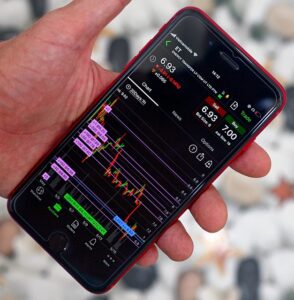
Forex trading, the exchange of currencies on the foreign exchange market, is one of the most dynamic and fast-paced markets globally. While it offers substantial profit opportunities, it also comes with significant risks. One of the most effective strategies to manage these risks is hedging. This article aims to provide a comprehensive guide to mastering hedging in Forex trading, focusing on minimizing risk while maximizing profits.
Understanding Hedging in Forex Trading
Hedging in Forex involves taking a position in one market to offset exposure to price fluctuations in an opposite position in another market. Essentially, it is a risk management strategy used by traders to protect their accounts from adverse price movements. While hedging can help safeguard against losses, it can also limit potential profits. Therefore, understanding how to balance these elements is crucial.
Why Hedge in Forex Trading?
The primary purpose of hedging is to protect against loss. Currency markets are notoriously volatile, and sudden shifts can lead to substantial financial losses. Hedging can serve as a financial buffer, allowing traders to weather these fluctuations without sustaining significant damage to their portfolios.
Types of Hedging Strategies in Forex
Several hedging strategies are popular among Forex traders, each with its own advantages and limitations. Understanding these strategies is essential for choosing the right hedging approach for your trading goals.
1. Direct Hedging
Direct hedging, also known as a perfect hedge, involves opening a new position that is directly opposite to an existing position. For example, if a trader holds a long position on EUR/USD, they could open a short position of the same size on the same pair. This strategy locks in profits or losses and is most effective when a trader expects short-term volatility but believes in the long-term potential of their initial position.
2. Complex Hedging
Complex hedging involves using multiple currency pairs to mitigate risk. This strategy might involve correlating pairs that tend to move in opposite directions. By doing so, traders can offset potential losses in one pair with gains in another. This approach requires a deep understanding of currency correlations and market dynamics.
3. Options-Based Hedging
Options offer a flexible way to hedge Forex positions. By purchasing options, traders gain the right, but not the obligation, to buy or sell a currency pair at a predetermined price. This strategy allows traders to benefit from favorable market movements while limiting downside risk. Options-based hedging can be more cost-effective than direct hedging, as it requires paying only the premium for the options contract.
4. Forward Contracts
Forward contracts are agreements to exchange currency at a future date at a predetermined rate. This strategy is commonly used by businesses and investors looking to hedge against future currency fluctuations impacting their operations or portfolios. While forward contracts provide certainty, they also lock traders into a specific exchange rate, potentially leading to opportunity costs if market conditions change favorably.
Implementing Hedging Strategies
Executing a successful hedging strategy requires careful planning and consideration of several factors, including market conditions, trading goals, and risk tolerance. Here are some steps to guide you through implementing an effective hedging strategy.
Analyze Market Conditions
Before implementing a hedging strategy, it is crucial to analyze current market conditions. Consider factors such as economic indicators, geopolitical events, and central bank policies that may impact currency movements. By understanding the broader market context, you can better anticipate potential risks and opportunities.
Set Clear Objectives
Define your hedging objectives clearly. Are you looking to protect against short-term volatility or gain long-term stability? Understanding your goals will help you choose the appropriate hedging strategy and determine the extent of your hedging activities.
Determine Risk Tolerance
Assess your risk tolerance to decide how much of your portfolio you want to hedge. Some traders may prefer to hedge a small portion to maintain flexibility, while others may opt for a more comprehensive approach to minimize exposure.
Select the Appropriate Hedging Strategy
Based on your analysis and objectives, choose the hedging strategy that aligns best with your needs. Consider factors such as cost, complexity, and potential impact on your overall trading strategy.
Monitor and Adjust
Once your hedging strategy is in place, continuously monitor market conditions and adjust your positions as needed. Hedging is not a set-it-and-forget-it strategy; it requires active management to ensure it remains effective in changing market environments.
Benefits and Limitations of Hedging in Forex
While hedging offers several benefits, it is essential to understand its limitations to make informed trading decisions.
Benefits of Hedging
- Risk Mitigation: The primary benefit of hedging is reducing exposure to adverse price movements, protecting your portfolio from significant losses.
- Stability: Hedging can provide stability in volatile markets, allowing traders to focus on long-term strategies without being overly concerned about short-term fluctuations.
- Flexibility: Options-based hedging, in particular, offers flexibility, enabling traders to capitalize on favorable market movements while limiting downside risk.
Limitations of Hedging
- Cost: Hedging can be expensive, especially when using options or forward contracts, as these instruments often come with premiums or fees.
- Complexity: Implementing and managing a hedging strategy can be complex, requiring a deep understanding of market dynamics and financial instruments.
- Potential Opportunity Costs: While hedging minimizes risk, it can also limit potential profits, particularly in direct hedging scenarios.
Conclusion
Hedging in Forex trading is a powerful tool for managing risk and protecting your portfolio from adverse market movements. By understanding the various hedging strategies and their applications, traders can create a balanced approach that minimizes risk while maximizing potential profits. However, successful hedging requires careful planning, continuous monitoring, and a clear understanding of market conditions. By mastering these elements, traders can navigate the complexities of the Forex market with greater confidence and security.
#ChatGPT assisted in the creation of this article.