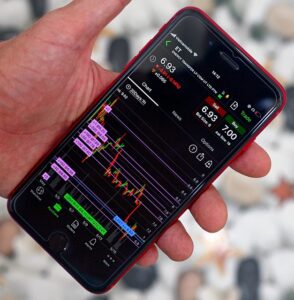
Bollinger Bands, developed by John Bollinger in the 1980s, have become a staple in the toolkit of Forex traders worldwide. These bands are a type of statistical chart characterizing the prices and volatility of a financial instrument over time. They consist of three lines: the middle band, which is a simple moving average (SMA), and two outer bands that represent standard deviations away from the middle band. These outer bands expand and contract based on market volatility, providing traders with a dynamic view of price action.
In this comprehensive guide, we will delve into the intricacies of Bollinger Bands and explore how traders can leverage the breakout strategy to achieve Forex success. By understanding the nuances of this strategy, traders can enhance their decision-making processes and potentially improve their trading outcomes.
Understanding the Mechanics of Bollinger Bands
Before we delve into the breakout strategy, it’s essential to understand how Bollinger Bands work. The middle band is typically a 20-day simple moving average, which smooths out price data to help identify the trend. The upper and lower bands are usually set two standard deviations away from the SMA, capturing approximately 95% of price movements.
The distance between the bands reflects market volatility. When the bands are wide apart, it indicates high volatility, whereas narrow bands suggest low volatility. This dynamic nature of Bollinger Bands makes them particularly useful for identifying breakout opportunities.
What is the Breakout Strategy?
The breakout strategy is a popular trading approach that involves entering positions when the price breaks above or below a defined support or resistance level. In the context of Bollinger Bands, a breakout occurs when the price moves outside the upper or lower band. Such movements often signal the beginning of a new trend, providing traders with potential entry points.
Breakouts can be powerful indicators, but false breakouts are common. Therefore, combining Bollinger Bands with other technical analysis tools can enhance the reliability of this strategy.
Setting Up Bollinger Bands for Breakout Trading
To effectively use Bollinger Bands for breakout trading, traders need to customize their settings to suit their trading style and the currency pairs they are analyzing. Here are some general guidelines:
1. **Period**: The default setting for the middle band is a 20-day SMA. However, traders can adjust this based on their preferred timeframe. Short-term traders might use a 10-day SMA, while long-term traders might opt for a 50-day SMA.
2. **Standard Deviations**: The common setting for the outer bands is two standard deviations. This setting captures most price movements, but traders can adjust it to reduce or increase sensitivity to volatility.
3. **Timeframe**: The choice of timeframe (e.g., 5-minute, hourly, daily) depends on the trader’s style. Day traders might focus on shorter timeframes, while swing traders and position traders may prefer longer ones.
Recognizing Breakout Patterns with Bollinger Bands
Identifying breakout patterns with Bollinger Bands involves observing the price action in relation to the bands. Here are some key patterns to watch for:
1. **Bollinger Squeeze**: This pattern occurs when the bands contract and the price is confined within a narrow range. A squeeze indicates a period of low volatility, often preceding a significant price movement. Traders should be prepared for a breakout when the bands start to expand.
2. **Band Expansion**: When the bands widen, it suggests increasing volatility and a potential breakout. Traders should look for confirmation signals, such as a strong candlestick pattern or increased trading volume, to validate the breakout.
3. **Price Crossing Bands**: A breakout is confirmed when the price closes above the upper band or below the lower band. This movement suggests a potential trend continuation in the direction of the breakout.
Implementing the Breakout Strategy
Once a breakout is identified, traders can employ the following steps to implement the Bollinger Bands breakout strategy:
1. **Identify the Setup**: Look for a Bollinger Squeeze or a period of consolidation. Confirm the breakout with band expansion and price crossing the bands.
2. **Confirm the Breakout**: Use additional technical indicators, such as the Relative Strength Index (RSI) or Moving Average Convergence Divergence (MACD), to confirm the breakout direction and avoid false signals.
3. **Entry and Exit Points**: Enter the trade once the breakout is confirmed. Place a stop-loss order below the lower band for long positions or above the upper band for short positions to manage risk. Consider using a trailing stop to lock in profits as the trend progresses.
4. **Monitor and Adjust**: Continuously monitor the trade and adjust your stop-loss and take-profit levels based on market conditions. Be prepared to exit the trade if the price re-enters the bands, indicating a potential reversal.
Managing Risk with Bollinger Bands Breakout Strategy
Risk management is crucial for any trading strategy, including the Bollinger Bands breakout strategy. Here are some tips to manage risk effectively:
1. **Position Sizing**: Determine your position size based on your risk tolerance and account balance. Avoid risking more than 1-2% of your account on a single trade.
2. **Stop-Loss Orders**: Always use stop-loss orders to limit potential losses. Place them at strategic levels that allow for normal price fluctuations without getting prematurely stopped out.
3. **Diversification**: Avoid overexposure to a single currency pair. Diversify your portfolio by trading multiple pairs and strategies to reduce risk.
Common Pitfalls and How to Avoid Them
While the Bollinger Bands breakout strategy can be highly effective, traders should be aware of common pitfalls:
1. **False Breakouts**: Not all breakouts lead to sustained trends. Use confirmation indicators and wait for a clear signal before entering a trade.
2. **Overtrading**: Avoid the temptation to trade every breakout. Be selective and focus on high-probability setups.
3. **Ignoring Market Conditions**: Consider the broader market context and avoid trading breakouts during low liquidity periods or major news events.
Conclusion: Mastering Bollinger Bands Breakout Strategy for Forex Success
Bollinger Bands offer a powerful tool for Forex traders seeking to capitalize on breakout opportunities. By understanding the mechanics of these bands and recognizing breakout patterns, traders can enhance their trading strategies and improve their chances of success. However, it’s crucial to combine the breakout strategy with sound risk management practices and additional confirmation indicators to navigate the complexities of the Forex market.
Incorporating Bollinger Bands into your trading routine requires practice and patience. By mastering the breakout strategy, traders can unleash the full potential of Bollinger Bands and unlock new avenues for Forex success.
“`
#ChatGPT assisted in the creation of this article.