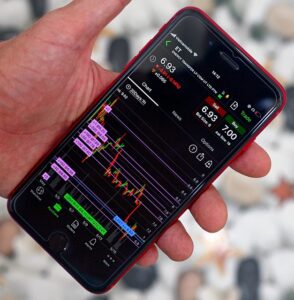
Momentum trading is a powerful strategy that has gained popularity among forex traders for its ability to capitalize on strong market trends. By understanding and harnessing the power of momentum trading systems, traders can significantly enhance their trading performance and achieve consistent success in the forex market. This article delves into the intricacies of momentum trading, offering a comprehensive guide to help you unlock its potential and boost your forex trading success.
Understanding Momentum Trading
Momentum trading is a strategy that involves buying currencies that are experiencing an upward trend and selling those that are on a downward trajectory. The core idea is to capitalize on the strength of market trends, assuming that they will continue in the same direction for a period of time. This strategy relies heavily on technical analysis and various indicators that measure the speed and strength of price movements.
The Psychology Behind Momentum Trading
The psychology of momentum trading is rooted in the concept of behavioral finance, where traders tend to follow the herd. In other words, traders often buy when prices are rising and sell when prices are falling, further fueling the trend. This self-fulfilling nature of momentum makes it a compelling strategy for those who can identify and act on these trends promptly.
The Key Components of a Momentum Trading System
To effectively implement a momentum trading strategy, it’s essential to understand the key components that drive its success. These components include:
1. Trend Identification
The first step in momentum trading is to identify a strong trend. This can be achieved using various technical analysis tools such as moving averages, trendlines, and the Average Directional Index (ADX). These tools help traders determine the direction and strength of a trend, allowing them to make informed decisions.
2. Entry and Exit Signals
Once a trend is identified, traders need to establish clear entry and exit signals. Common indicators used for this purpose include the Relative Strength Index (RSI), Moving Average Convergence Divergence (MACD), and the Stochastic Oscillator. These indicators help traders pinpoint optimal entry and exit points, maximizing their profit potential while minimizing risk.
3. Risk Management
A successful momentum trading strategy requires robust risk management practices. This involves setting stop-loss orders to limit potential losses and using position sizing techniques to ensure that no single trade can significantly impact the trader’s portfolio. Effective risk management is crucial for long-term success in momentum trading.
4. Trade Monitoring and Adaptation
Momentum trading requires constant monitoring of market conditions to ensure that trades remain aligned with the prevailing trend. Traders must be willing to adapt their strategies as market dynamics change, which may involve adjusting entry and exit criteria or reevaluating risk management practices.
Advantages of Momentum Trading in Forex
Momentum trading offers several advantages that make it an attractive strategy for forex traders:
1. High Profit Potential
By capitalizing on strong market trends, momentum traders have the opportunity to achieve substantial profits. When executed correctly, this strategy can yield impressive returns over a relatively short period.
2. Clear Entry and Exit Points
Momentum trading relies on technical indicators that provide clear entry and exit signals. This clarity can help traders make confident decisions and reduce emotional biases that often lead to poor trading outcomes.
3. Adaptability
Momentum trading systems are highly adaptable and can be applied across various timeframes and currency pairs. This flexibility allows traders to tailor their strategies to suit their individual preferences and market conditions.
4. Minimized Holding Periods
Since momentum trading focuses on short-term trends, traders can minimize their holding periods. This reduces exposure to market risks and allows for more frequent trading opportunities.
Challenges and Risks Associated with Momentum Trading
Despite its advantages, momentum trading is not without its challenges and risks:
1. False Signals
One of the primary challenges in momentum trading is the occurrence of false signals. These are instances where indicators suggest a trend continuation, but the market reverses shortly afterward. To mitigate this risk, traders must use multiple confirmation signals and maintain strict risk management practices.
2. Sudden Market Reversals
Momentum traders are vulnerable to sudden market reversals, which can result in significant losses if not managed properly. It’s essential to use stop-loss orders and continuously monitor market conditions to protect against unexpected reversals.
3. Overtrading
The allure of frequent trading opportunities can lead to overtrading, where traders take unnecessary risks and incur excessive transaction costs. Maintaining discipline and adhering to a well-defined trading plan is crucial to avoid this pitfall.
4. Emotional Stress
Momentum trading can be emotionally demanding due to its fast-paced nature and the need for constant decision-making. Traders must develop emotional resilience and remain focused on their strategies to succeed in this environment.
Implementing a Momentum Trading System
To effectively implement a momentum trading system, traders should follow these steps:
1. Develop a Solid Trading Plan
A well-defined trading plan is the foundation of any successful momentum trading strategy. This plan should outline your trading objectives, risk tolerance, preferred indicators, entry and exit criteria, and risk management practices.
2. Choose the Right Trading Platform
Select a trading platform that offers the tools and features needed to execute your momentum trading strategy effectively. Look for platforms with advanced charting capabilities, real-time data feeds, and the ability to set automated alerts and orders.
3. Backtest Your Strategy
Before deploying your momentum trading system in live markets, conduct thorough backtesting using historical data. This process helps you evaluate the strategy’s performance, identify potential weaknesses, and make necessary adjustments to improve its effectiveness.
4. Start with a Demo Account
Practice your momentum trading strategy using a demo account to gain confidence and refine your skills without risking real capital. This step allows you to test your strategy in a risk-free environment and make any necessary adjustments before transitioning to live trading.
5. Monitor and Adjust
Once you begin live trading, continuously monitor your trades and market conditions. Be prepared to adjust your strategy as needed to account for changing trends, economic events, or other factors that may impact your trades.
Conclusion
Momentum trading is a dynamic and potentially lucrative strategy for forex traders who can effectively identify and capitalize on strong market trends. By understanding the key components of momentum trading systems and implementing robust risk management practices, traders can unleash the power of momentum and achieve consistent success in the forex market. As with any trading strategy, continuous learning, practice, and adaptation are crucial for long-term success. By honing your skills and remaining disciplined, you can harness the power of momentum trading to boost your forex trading success.
#ChatGPT assisted in the creation of this article.